


Elbow Tendinitis
Tendons are located at the ends of your muscles and connect your muscles to your bones. Tendonitis, also known as tendinitis, most commonly occurs in the ankle, wrist, shoulder, thumb, elbow, or knee. With elbow tendonitis, you can often point to the exact spot where the pain is located.
Causes of elbow tendonitis
An elbow tendonitis can be caused by the following:
Elbow injury or repetitive strain
You can develop elbow tendonitis from an injury or excessive strain on the tendon. This can happen if you repeat a specific movement often or overuse a muscle through intense physical activity. Elbow tendonitis is often part of a broader condition known as RSI (Repetitive Strain Injury).
Physical factors
Certain physical factors, such as a leg length discrepancy or foot abnormality, can also contribute to tendon inflammation. In some cases, an underlying rheumatic condition may play a role.
Bones and joints
In people over the age of forty, unstable joints or bone loss (osteoporosis) can also contribute to the development of tendonitis.
Tendonitis or bursitis?
Tendonitis and bursitis can feel very similar. Both are caused by injury or overuse of a muscle, and both result in swelling and inflammation. The key difference is in the type of pain: bursitis tends to cause a dull ache, while tendonitis typically results in sharp, localized pain. These conditions often occur together.
Symptoms of elbow tendonitis
- Pain and mild swelling around the elbow
- Warmth over the affected tendon
- Stiffness and limited range of motion in the elbow
- In some cases, a soft cracking or crunching sound when moving the elbow tendon
Recovery from elbow tendonitis
Elbow tendonitis tends to heal slowly, as the connected muscle is constantly in use. Wearing an elbow brace can provide relief by limiting movement and allowing the inflamed tendon to rest. The brace helps stabilize the joint, which reduces strain on the affected area and supports the healing process.
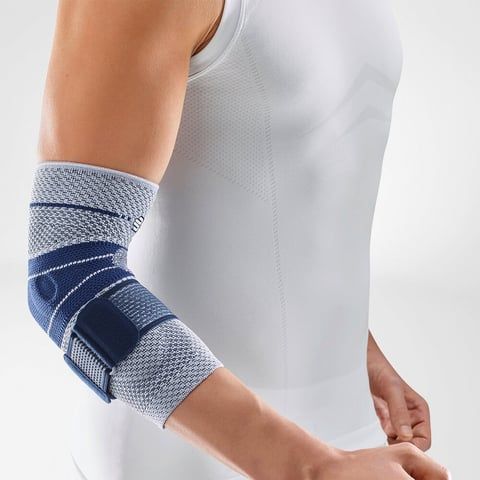
Bauerfeind Epitrain Elbow Bandage
Protection level 3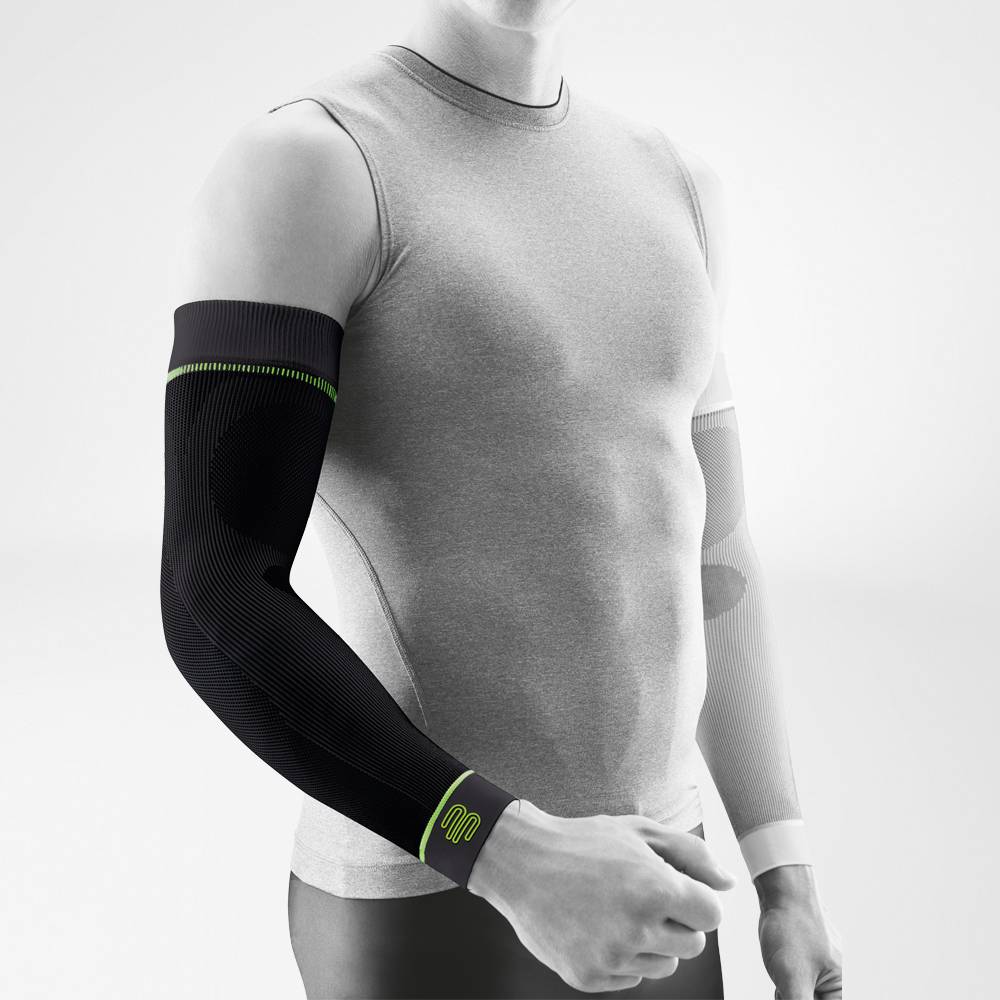
Bauerfeind Sports Compression Arm Sleeve (per pair)

Novamed Premium Comfort Elbow Support
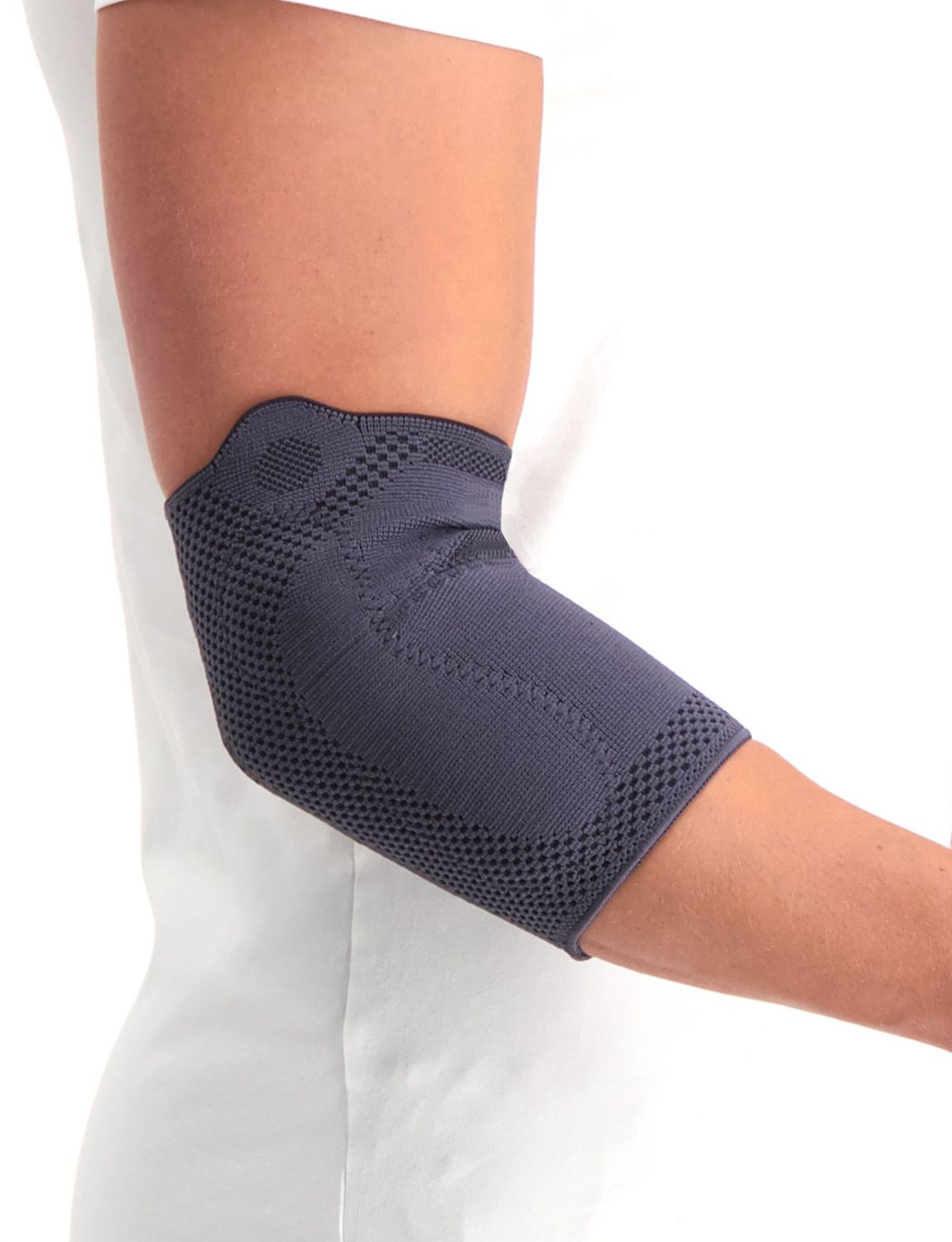
Lyon Premium Elbow Support
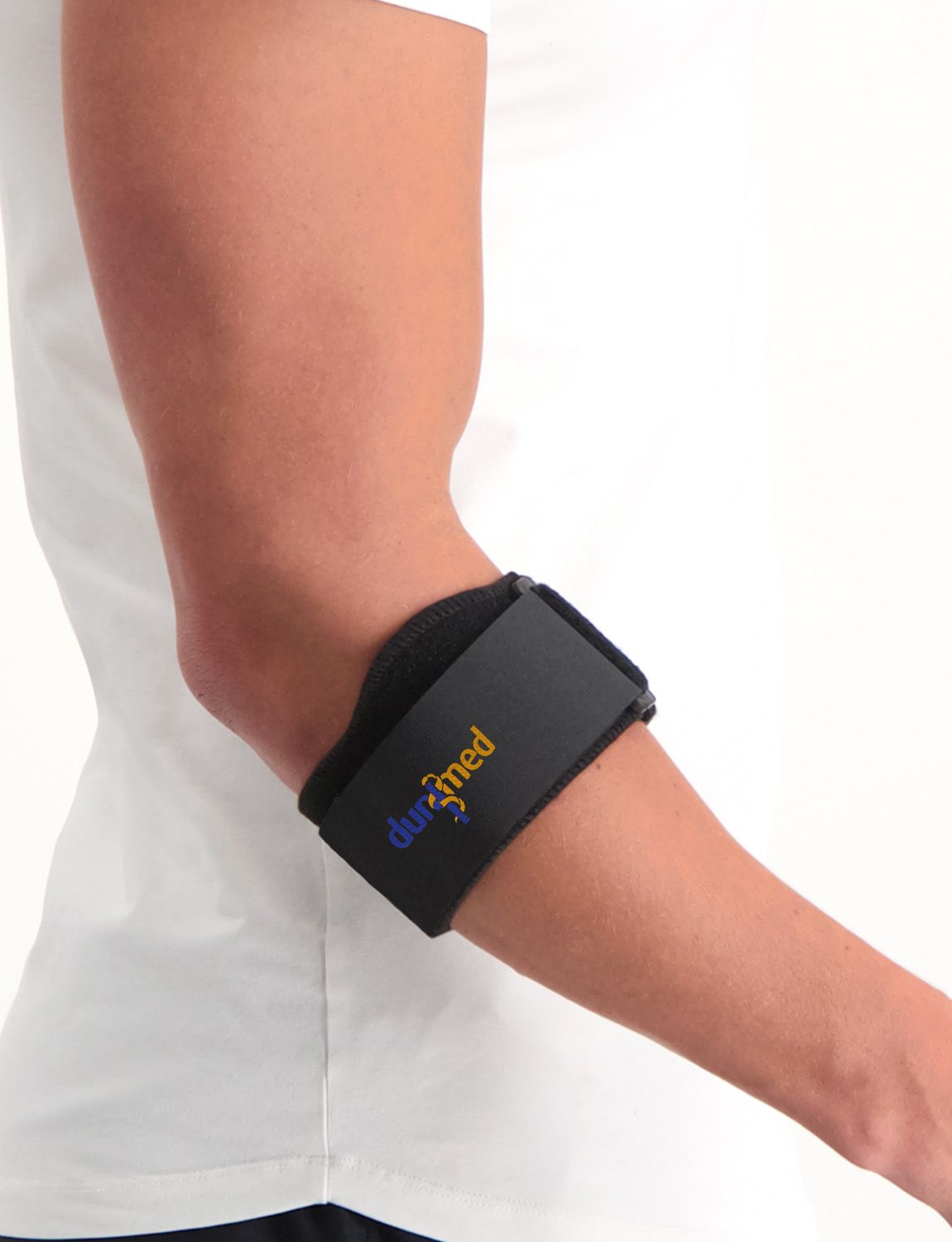
Dunimed Tennis Elbow Strap
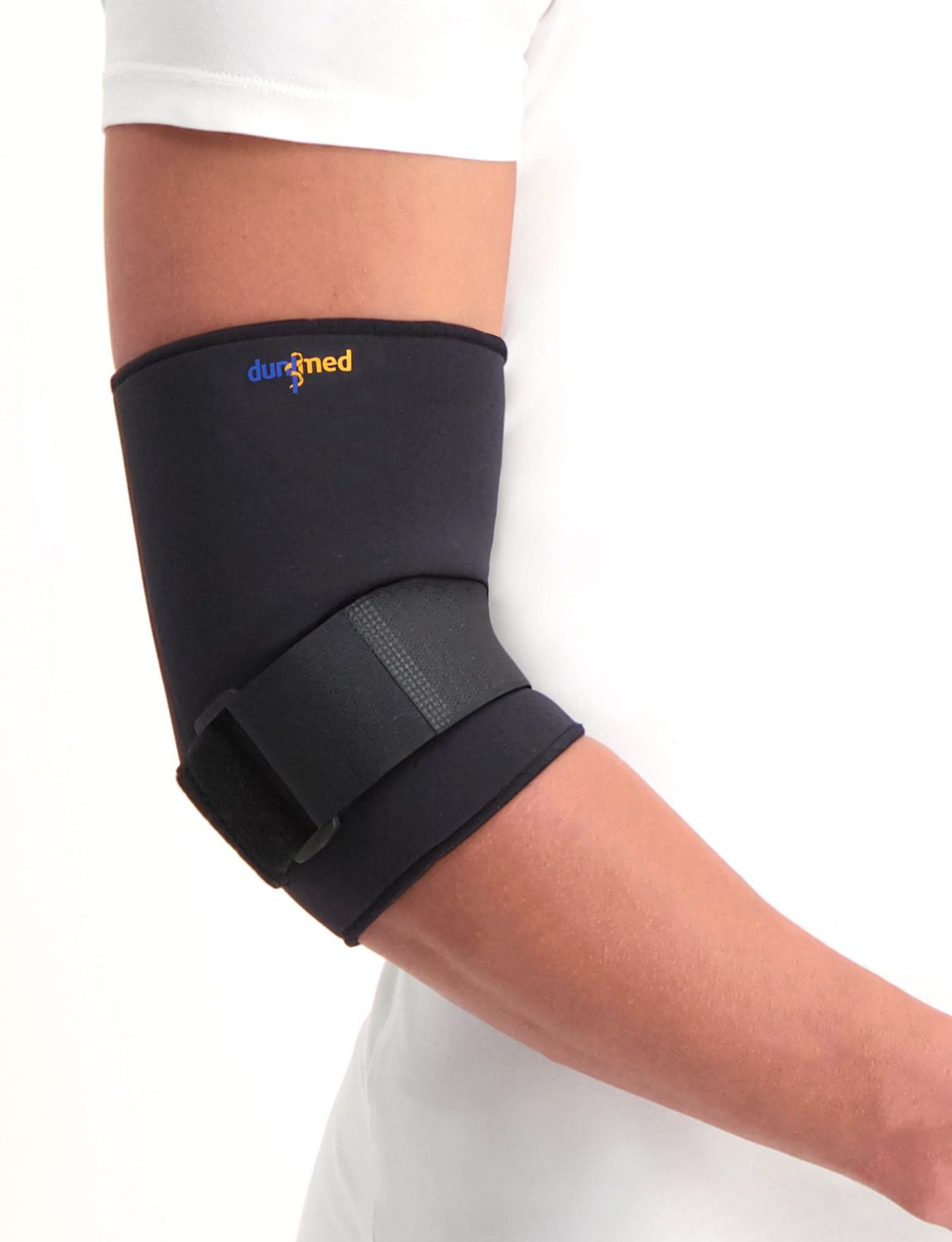
Dunimed Elbow Support

Viofix Bowling - Tennis Elbow Support - Wrist Splint
- Physiotherapist
- Sports podiatrist
- Manual therapist
- Podopostural therapist
- Myofascial dry needling specialist