


Freiberg Disease
Our physiotherapists explain more on this page about Freiberg’s disease. This condition can cause unpleasant and painful symptoms, so it’s understandable that you may have questions. That’s why we’re happy to explain below what this condition involves and how it can be treated.
What is Freiberg’s disease?
Freiberg’s disease is the death of the small bones in the forefoot. This condition mainly occurs during puberty and is most commonly seen in adolescent girls. It develops due to a circulation disorder affecting the head of one of the metatarsal bones. As blood supply decreases, the shape of the bone head changes. Eventually, the affected bone tissue in the forefoot dies. Freiberg’s disease is also known as Köhler II disease.
What causes this condition?
There is no clearly defined cause of Freiberg’s disease. Poor blood flow in the forefoot is often cited as a possible explanation. Bone cells in the metatarsals die due to a lack of blood supply. Overuse of the foot may also be a contributing factor. The condition is more likely to occur in active individuals, especially athletes and runners.
What are the symptoms of Freiberg’s disease?
If you have Freiberg’s disease, you’ll experience pain in the foot both during activity and at rest. The pain may come and go. It is usually concentrated in the area around the affected metatarsal bone. Swelling of the foot often occurs as well. Standing and walking become painful, and in some cases, the pain can be so intense that walking becomes unbearable. Among adolescents, a noticeable sign is that they avoid putting pressure on the affected foot.
How is Freiberg’s disease treated?
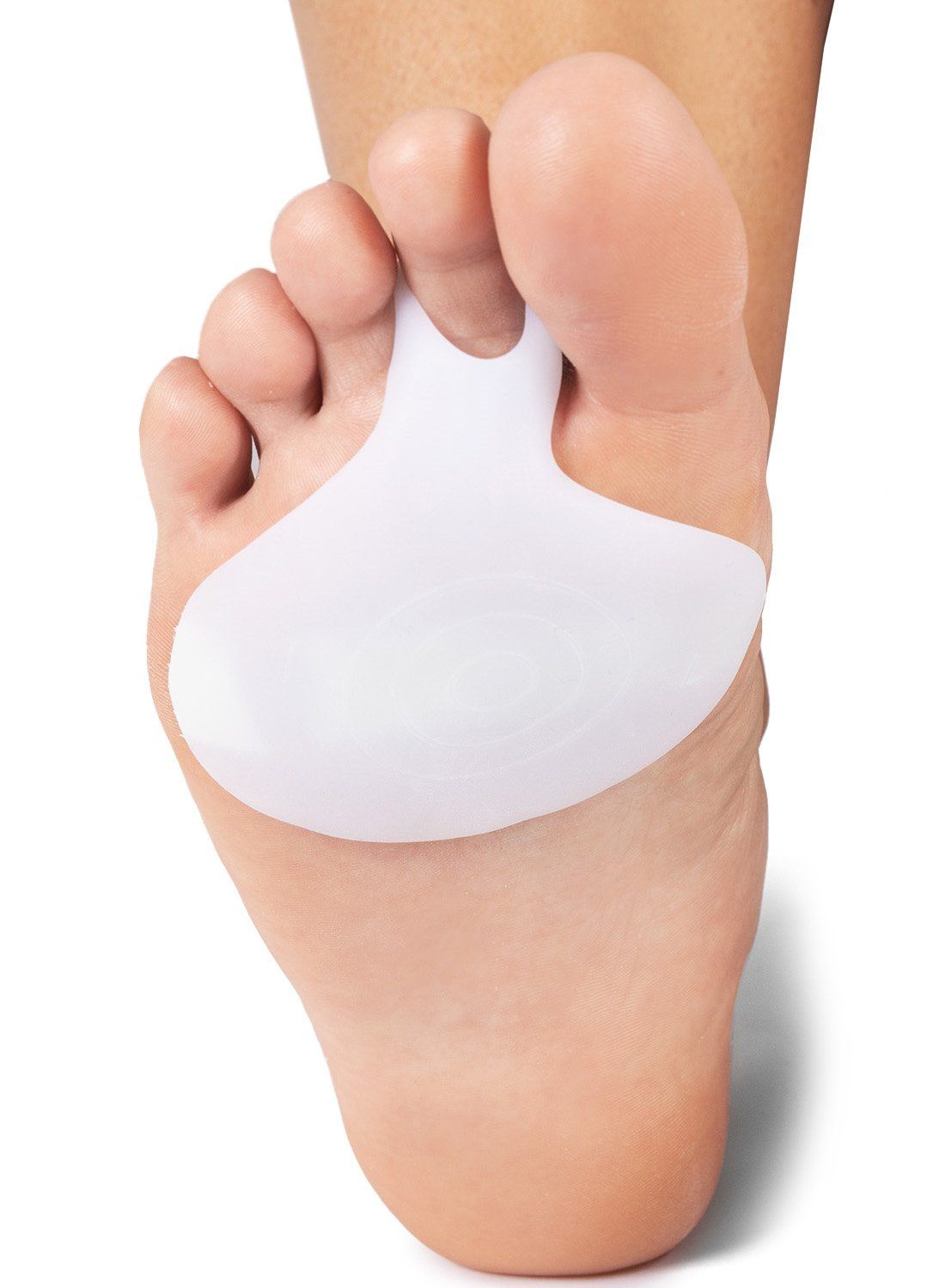
Always consult a doctor or podiatrist. Initial treatment typically focuses on relieving pain. Stretching the Achilles tendon may be beneficial, and using specially adapted insoles can also help.



- Physiotherapist
- Sports podiatrist
- Manual therapist
- Podopostural therapist
- Myofascial dry needling specialist