


Prevention (after surgery or trauma)
The following factors can help reduce the risk of ligament injuries in the knee.
Training
Always start with a proper warm-up: move at a low intensity for 5 to 10 minutes. Then perform a variety of exercises to loosen the muscles and briefly repeat the exercises at a higher pace. Always follow a structured training plan and finish your session with a proper cool-down.
Sports equipment
Wear sports shoes that fit well, offer solid heel support, have a high and flexible heel collar, a sole that allows easy turning on the surface you're training on, and a firm, shock-absorbing sole. You should also consider any leg length differences, in which case you may need specially adapted footwear.
Environment
Train as much as possible on soft surfaces such as grass or forest paths. Avoid slippery surfaces. If you don't have any physical complaints, vary the surface as much as possible during training.
Fracture prevention
Other factors can also help prevent bone fractures:
Build strong bones
It's important to eat healthily, take vitamin D, and get enough calcium. Taking a 30-minute walk each day also helps. Quitting smoking can also make your bones stronger.
Prevent falls
Most fractures are caused by falls or unnatural hyperextension of the knee. That’s why you should wear sturdy shoes, watch out for objects lying around, ensure living spaces are spacious, slip-resistant, and well-lit, install plenty of handrails, and provide solid stair railings.
Protective gear
Use protective gear during sports activities such as snowboarding or skating.

LP Support 721 Knee Support

Bauerfeind GenuTrain S Hinged Knee Support

Super Ortho Lightweight Knee Support with Splints
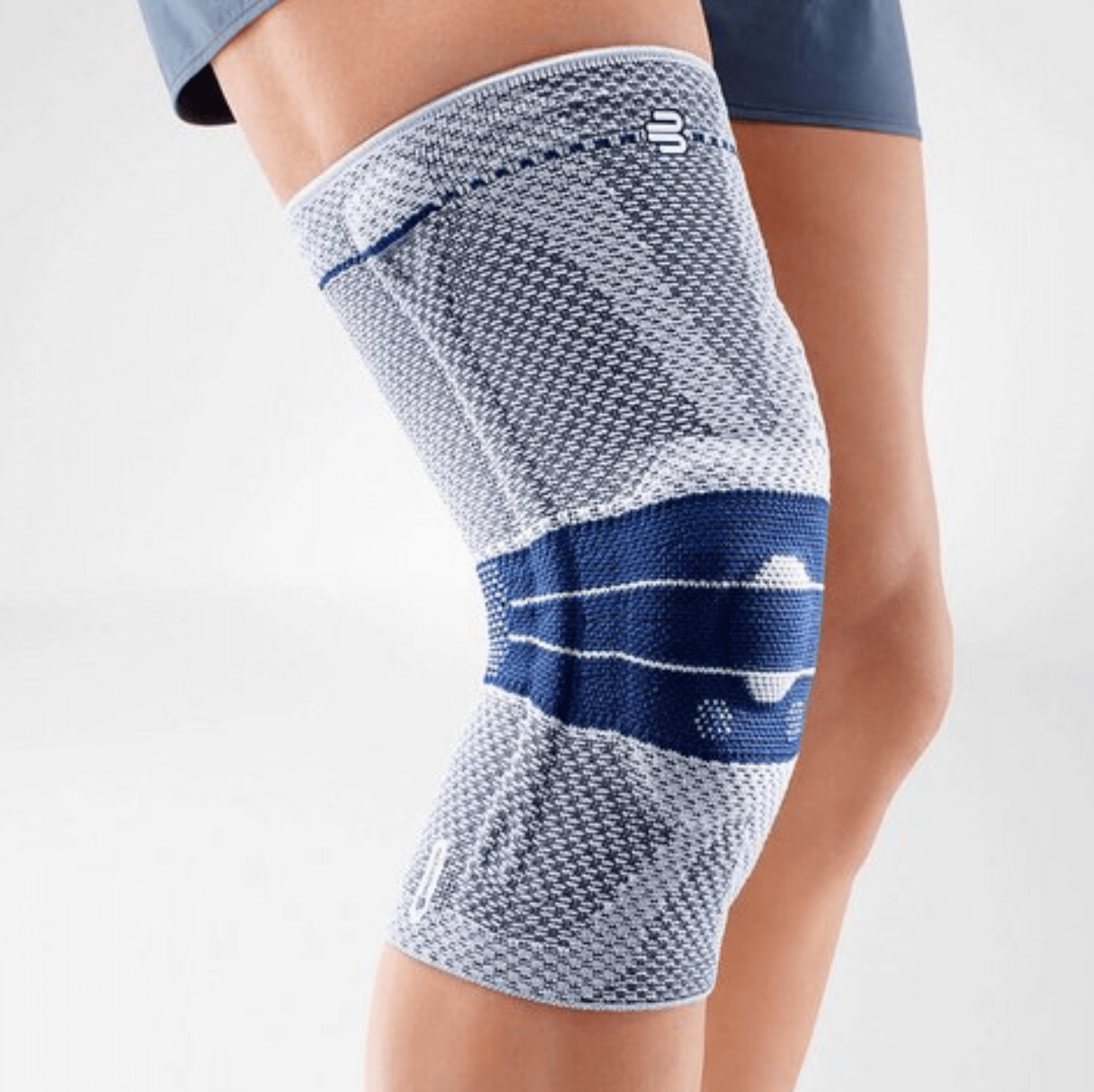
Bauerfeind GenuTrain A3 Knee Support
Protection level 2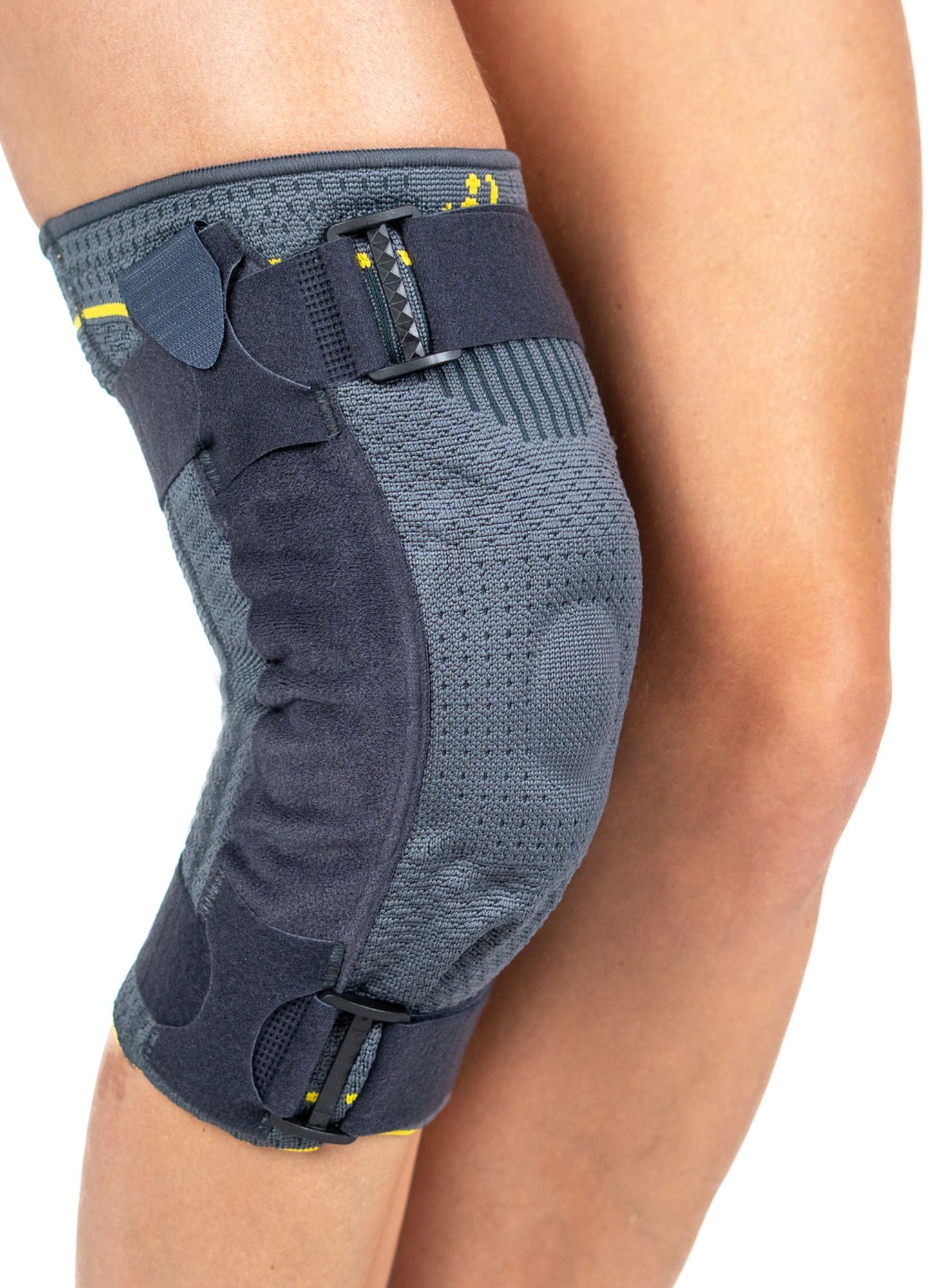
Morsa GenuBerg M4 Hinged Knee Support
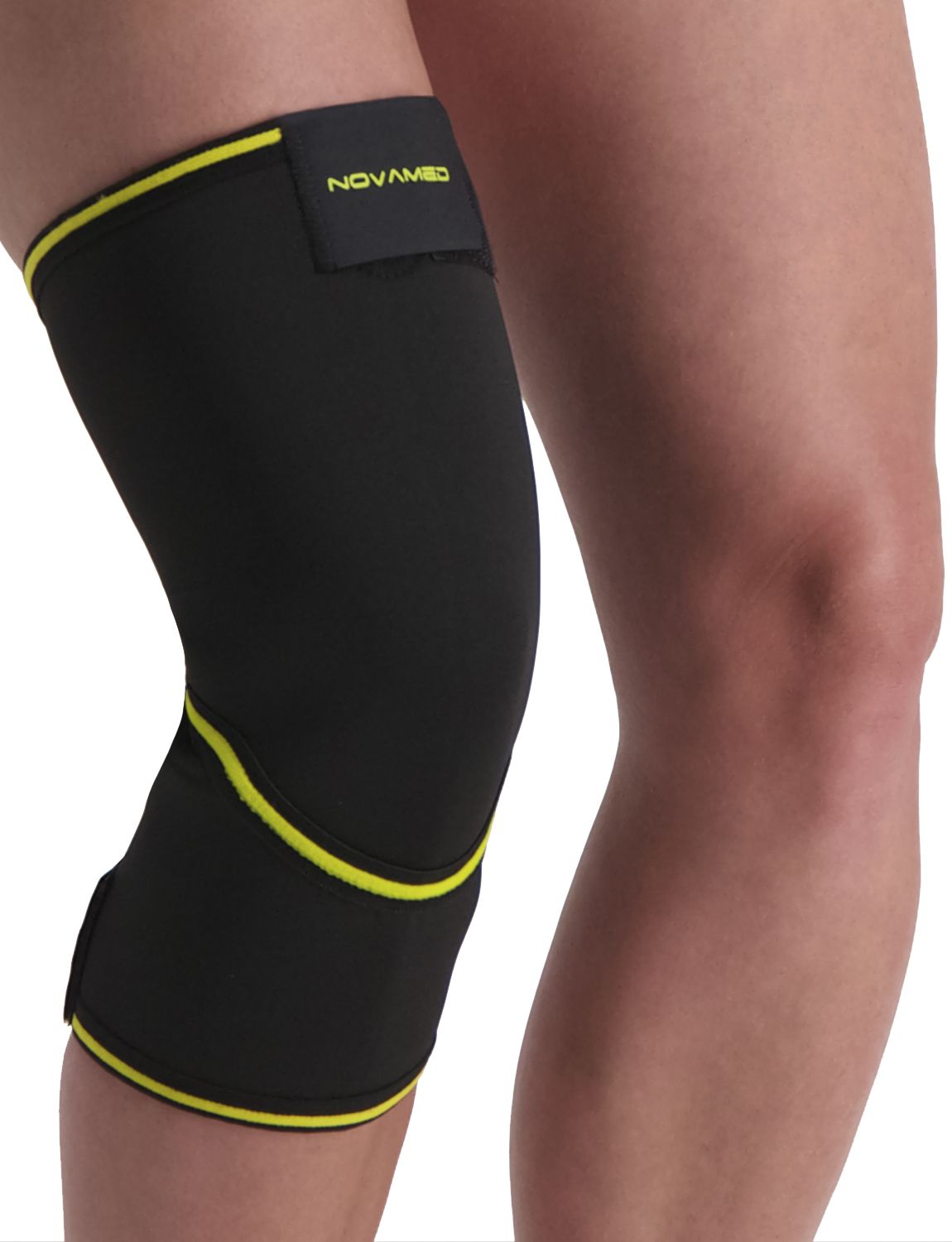
Novamed Closed Patella Knee Support
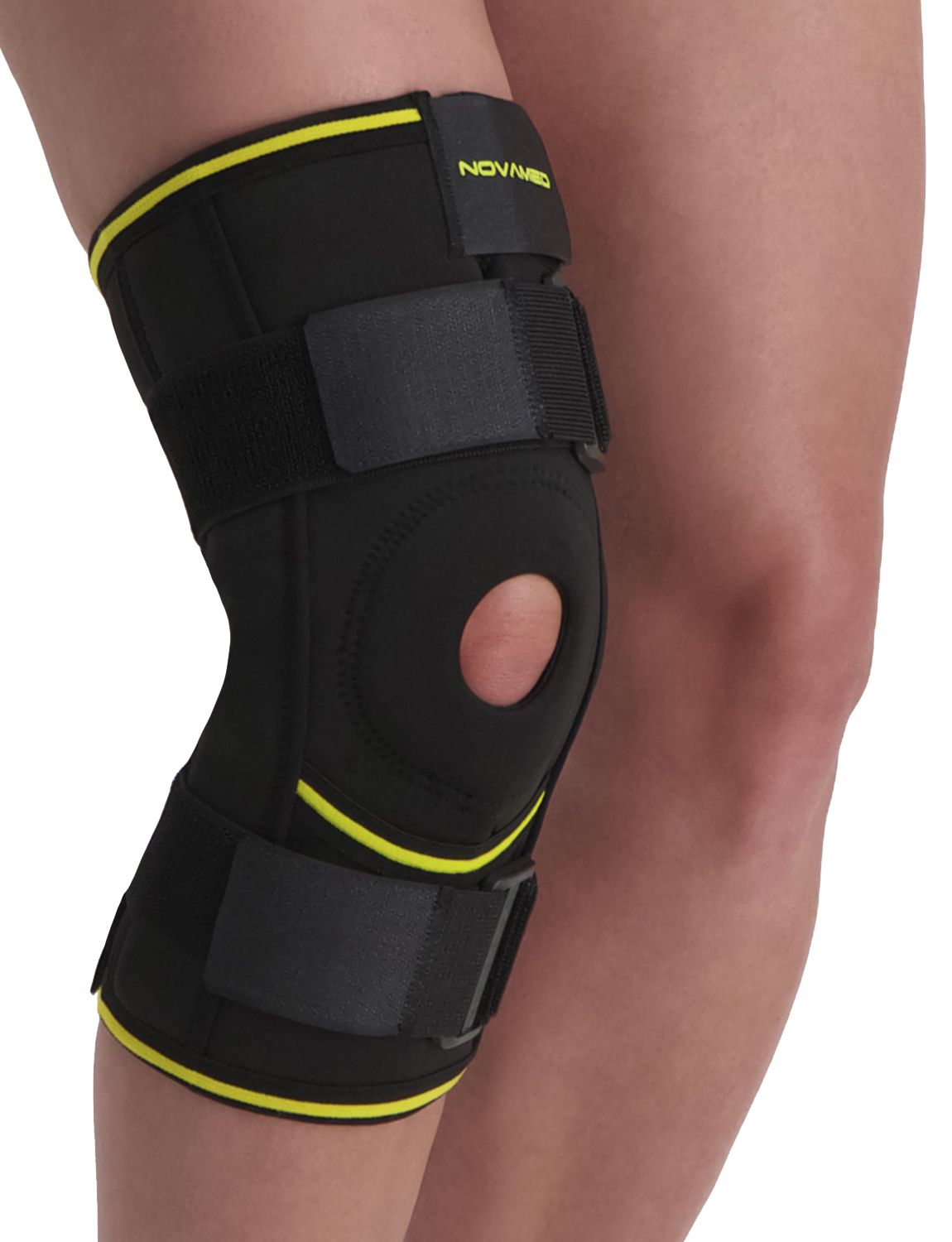
Novamed Lightweight Hinged Knee Support

Novamed MAX Hinged Knee Support with Crossed Straps
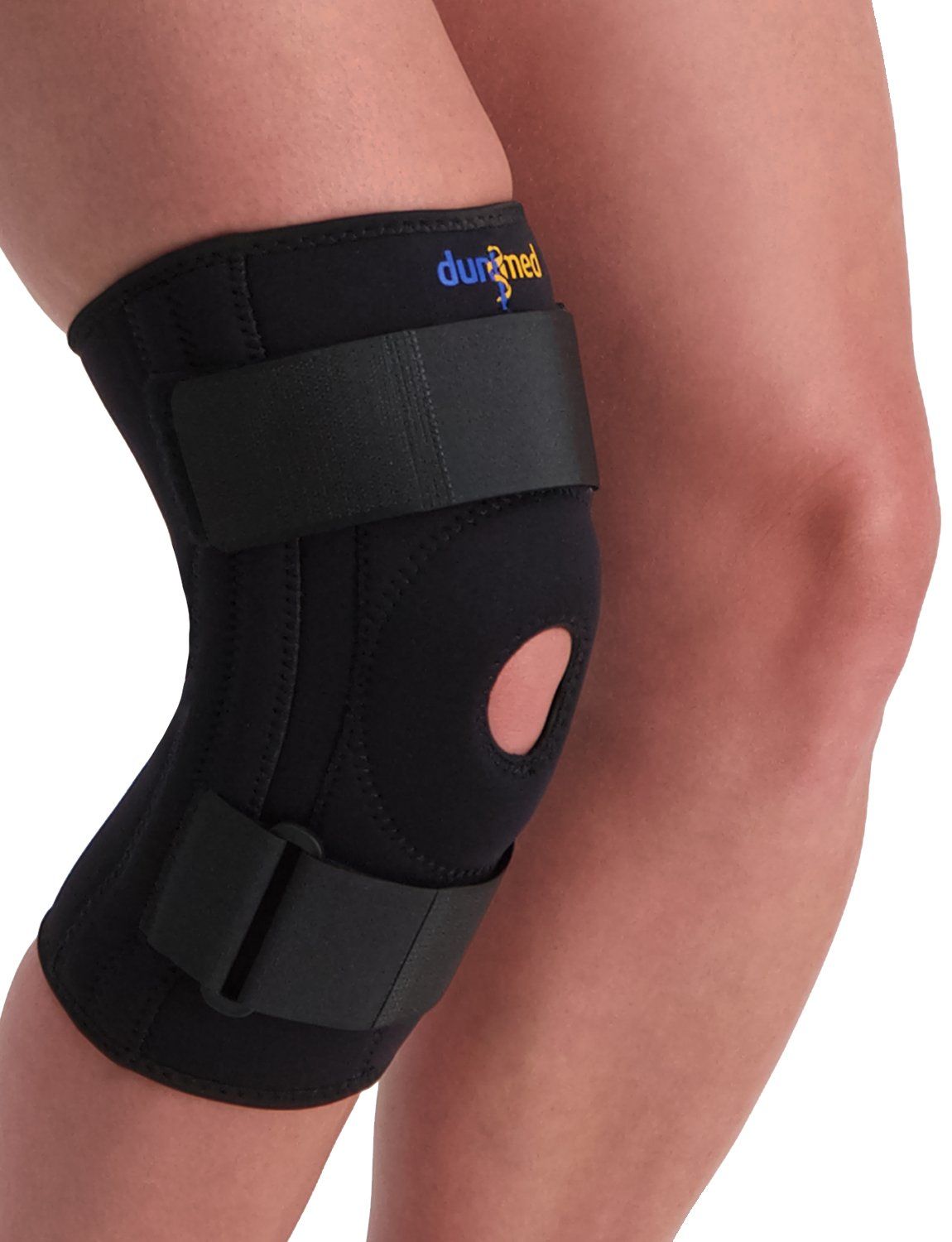
Dunimed Knee Support with Busks

Dunimed Knee Support Wrap
- Physiotherapist
- Sports podiatrist
- Manual therapist
- Podopostural therapist
- Myofascial dry needling specialist