


Glenohumeral Instability (instability between ball and socket)
Glenohumeral instability is a condition where the shoulder joint (the glenohumeral joint) loses its stability, increasing the risk of dislocation or subluxation. This can result from trauma, overuse, or a congenital condition. Fortunately, there are various tools available to help manage this issue. Want to learn more? Keep reading.
What is glenohumeral instability?
The condition occurs when the head of the upper arm bone loses proper contact with the shoulder socket. During movement, the humeral head doesn't remain centered in the socket. This is commonly referred to as the shoulder “coming out of place.” Around the humeral head are muscles and tendons that help maintain the contact between the socket and the joint, thus preventing instability.
What causes glenohumeral instability?
There are several possible causes of shoulder instability. The most common is trauma, such as an accident that causes the shoulder to dislocate. Other causes include:
- Congenital joint laxity or instability
- Overuse, often in athletes who perform repetitive overhead movements
What are the symptoms of glenohumeral instability?
When the shoulder dislocates, there are some clear symptoms. Typically, there is pain in the shoulder and a significantly reduced range of motion. The diagnosis of instability is usually made in a hospital setting.
Diagnosing shoulder instability
To determine which tendons or nerves have been affected, an X-ray is often required. If the doctor suspects tendon or nerve damage, further imaging such as an arthro-CT scan or MRI may be used to assess the extent of the injury in more detail.
What are the treatment options?
There are several treatment options for a dislocated shoulder. You may receive conservative treatment that does not involve surgery, or in some cases, surgery may be necessary. This depends entirely on the severity of the damage and the dislocation.
Conservative treatment
In cases of chronic instability, physical therapy (kinesitherapy) is often recommended. A physiotherapist will create a treatment plan to help strengthen the muscles around the shoulder joint. Lifestyle adjustments and regular training to build muscle are also advised.
Surgical treatment
If physical therapy is unsuccessful, surgery may be considered. Surgical options depend on the severity of the injury and may include:
- Arthroscopy to repair the joint capsule and labrum
- A Latarjet procedure in cases of significant bone damage
How can you prevent glenohumeral instability?
You can help prevent shoulder instability by avoiding excessive strain on the joint during work or sports. It's also important to avoid repetitive overhead motions and to avoid lifting weights that are too heavy for your current strength level.
How do you recover from glenohumeral instability?
To recover properly, a combination of professional treatment and self-care is recommended. If you're experiencing symptoms, visit a physiotherapist for a personalized plan. You can also take the following steps:
- Always warm up before exercise
- Follow your physiotherapist’s exercises to improve stability and strengthen your shoulder muscles
- Avoid repetitive or heavy shoulder movements
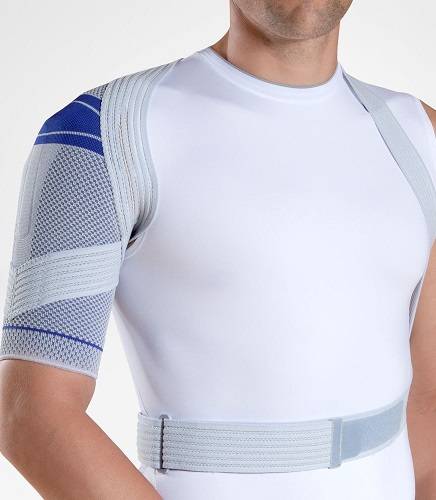
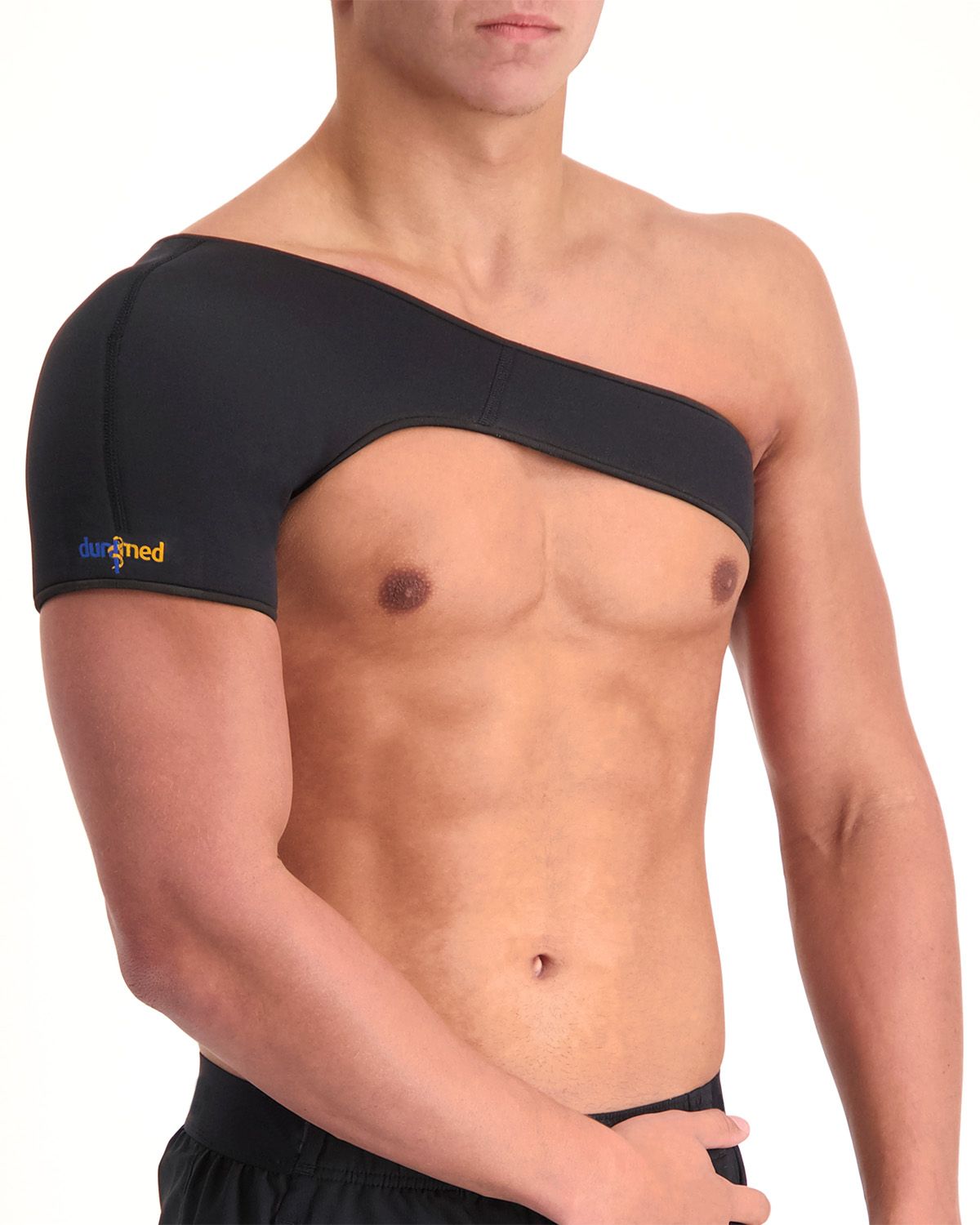
- Wear a shoulder brace for additional support
Need help treating glenohumeral instability?
Glenohumeral instability is often caused by trauma but can also result from overuse. You can help prevent it by avoiding repetitive or high-intensity shoulder movements.
At Podobrace, we offer a variety of shoulder braces that can provide support during recovery. Want more information about glenohumeral instability? Don’t hesitate to contact us. Our team of specialists is ready to help you find the right solution for your symptoms.


- Physiotherapist
- Sports podiatrist
- Manual therapist
- Podopostural therapist
- Myofascial dry needling specialist