


Strain / Contusion (distortion)
Do you have a strained thigh muscle? This is a painful injury that often affects football players. A strain occurs when the muscle fibres are stretched. It causes significant pain and usually results from previous injuries, insufficient flexibility, or overuse. Read on to discover how best to treat your thigh for a speedy recovery.
What is a strained thigh muscle?
A strained thigh muscle occurs when the muscle fibres are overstretched due to overuse or sudden movement. It's usually clear how the injury occurred. The affected muscle is commonly the quadriceps. A fall, impact, or direct blow to the muscle may have caused damage to the muscle fibres, often resulting in internal bleeding, also known as bruising. This leads to noticeable pain and discolouration. In some cases, the bleeding may migrate to another part of the leg, away from the initial impact. Footballers are especially prone to quadriceps injuries due to the explosive movements required in the sport.
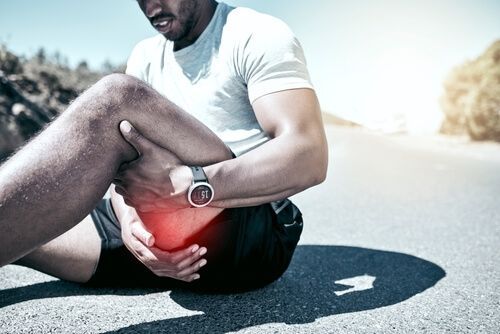
Common causes of a strained thigh muscle
In most cases, the cause of a strained thigh is clear, but sometimes it’s less obvious. It's important to reflect on what may have caused the injury so it can be prevented next time. Common causes include:
- Sudden movement like sprinting or jumping
- Overtraining or intense physical activity
- Poor or no warm-up
- Muscle weakness or previous injuries
- Fatigue or poor conditioning
How do you recognize a quadriceps injury?
If the bruising occurs between muscles, such as between the quadriceps and hamstrings, the blood may pool elsewhere in the leg, leading to pain in a different location. This makes symptom recognition essential in identifying a thigh strain.
Symptoms of a strained thigh muscle
The symptoms of a strained thigh are usually easy to recognize. If you experience any of the following, begin treatment right away:
- Pain when moving
- Swelling or bruising at the top of the leg
- Stiffness in the thigh, especially during walking or running
- Limited mobility
- Tenderness when touching the area
How is a thigh strain treated?
Treatment should start as soon as possible. Initially, the affected area should be immobilized, avoid moving the leg. Apply a brace or compression wrap to the area. At Podobrace, we offer a range of braces that help treat muscle strains effectively.
Speeding up recovery?
Of course, you'll want to return to your daily routine or sports as soon as possible. If you’ve suffered a blow to the thigh and don't yet have the proper treatment tools, follow these steps:
- Apply cold therapy to reduce swelling
- Try light mobility exercises to promote circulation
- Consult a doctor if the pain is severe, an ultrasound may be needed to assess the muscle damage. In some cases, surgery may be required if the muscle is torn. Minor strains may heal within a week.
Preventing a thigh strain
Lack of protective gear and certain sports (football, hockey, martial arts) increase the risk of a thigh injury. Before engaging in physical activity, follow these prevention tips:
- Perform a proper warm-up and cool-down
- Incorporate strength and flexibility training regularly
- Wear appropriate footwear and sports gear
- Listen to your body to avoid overtraining
Exercising with a strained thigh
If your injury is recent, it's best to rest. However, light exercise may be possible once the pain subsides. Avoid anything too intense, start with swimming or cycling to gently reintroduce movement.
Getting back in action faster
The thigh brace from Podobrace offers excellent support during everyday activities. Wearing a brace helps promote faster healing. If you have questions about which product suits your injury best, our team of specialists is happy to help!

LP Support Thigh Support
Protection level 1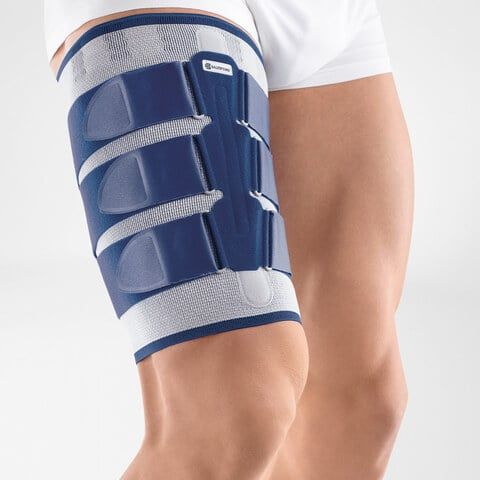
Bauerfeind Myotrain Thigh Brace - Upper Leg Brace
Protection level 3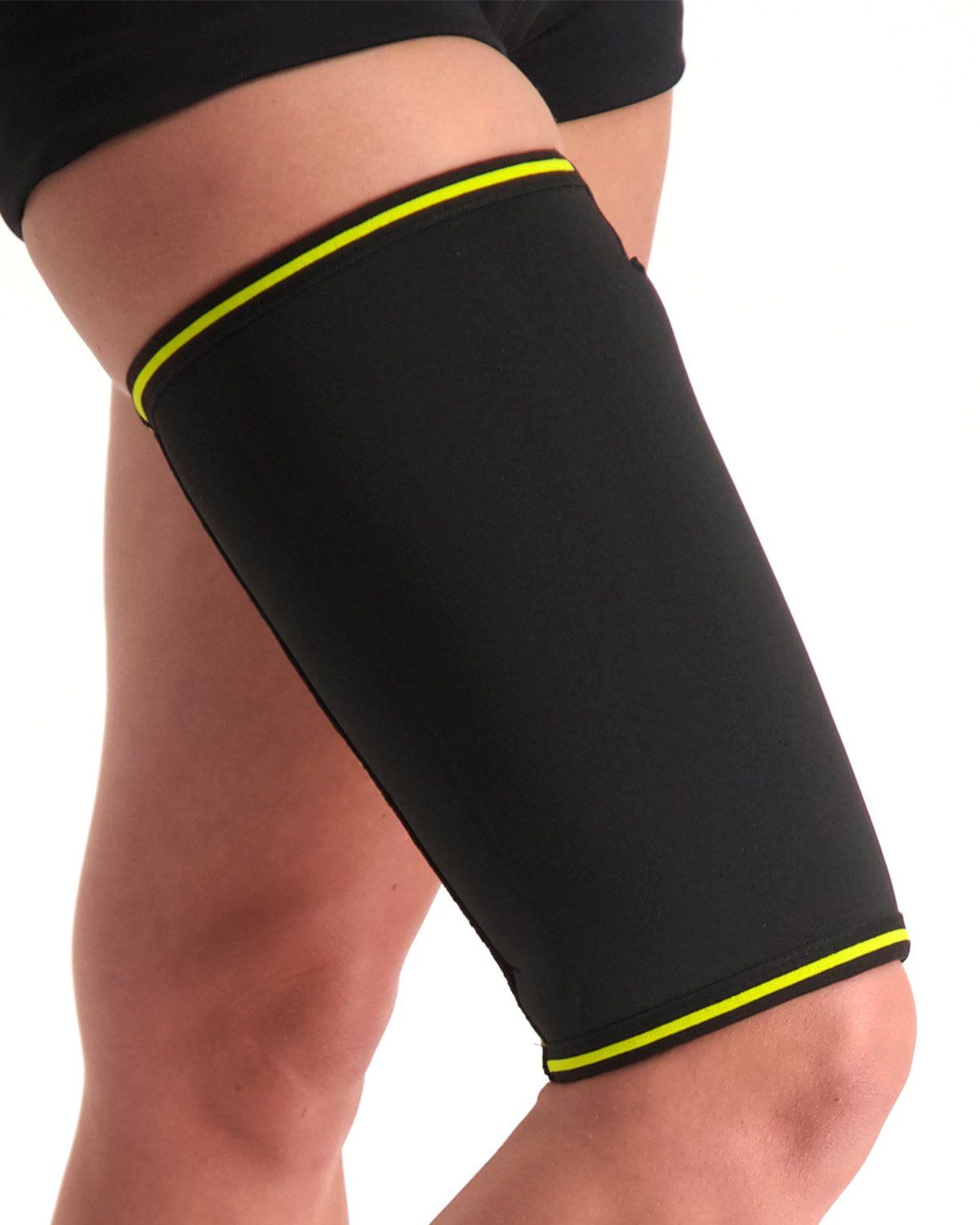
Novamed Thigh Support
Protection level 2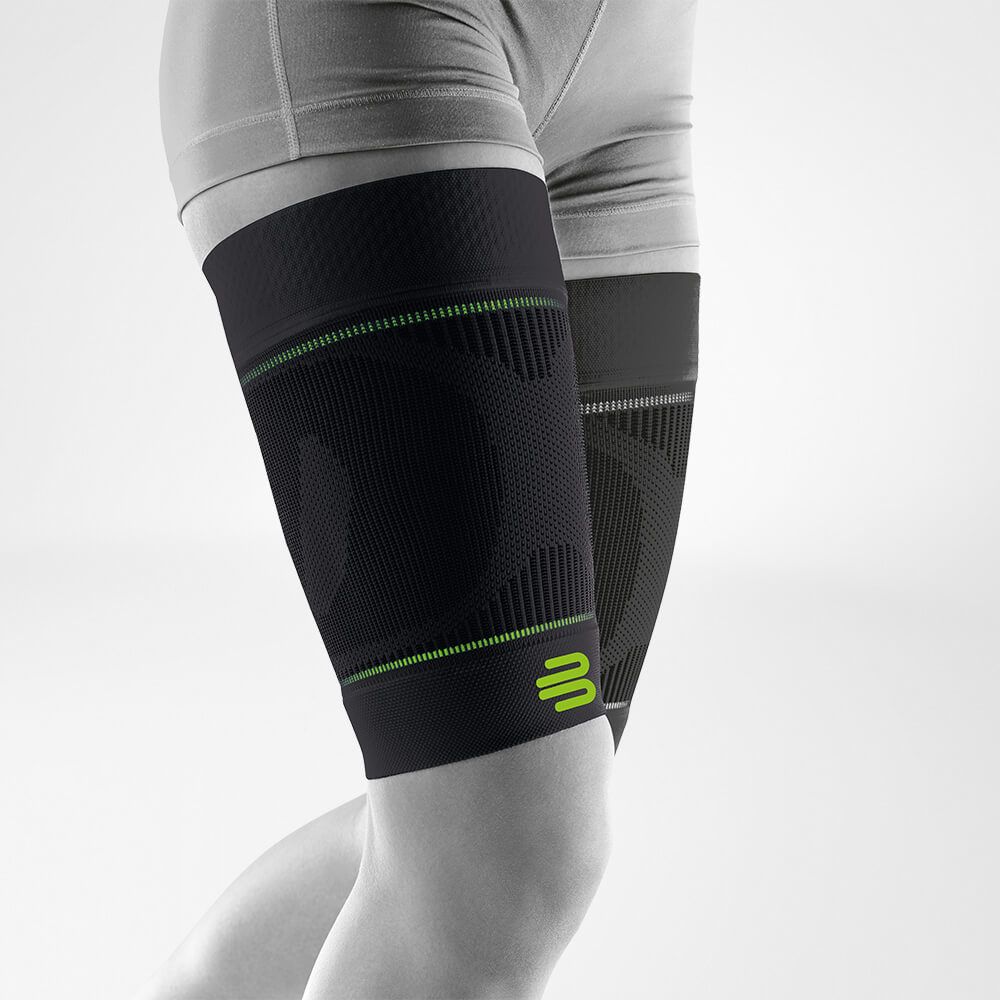
Bauerfeind Sports Compression Upper Leg Hamstring Sleeve (per pair)
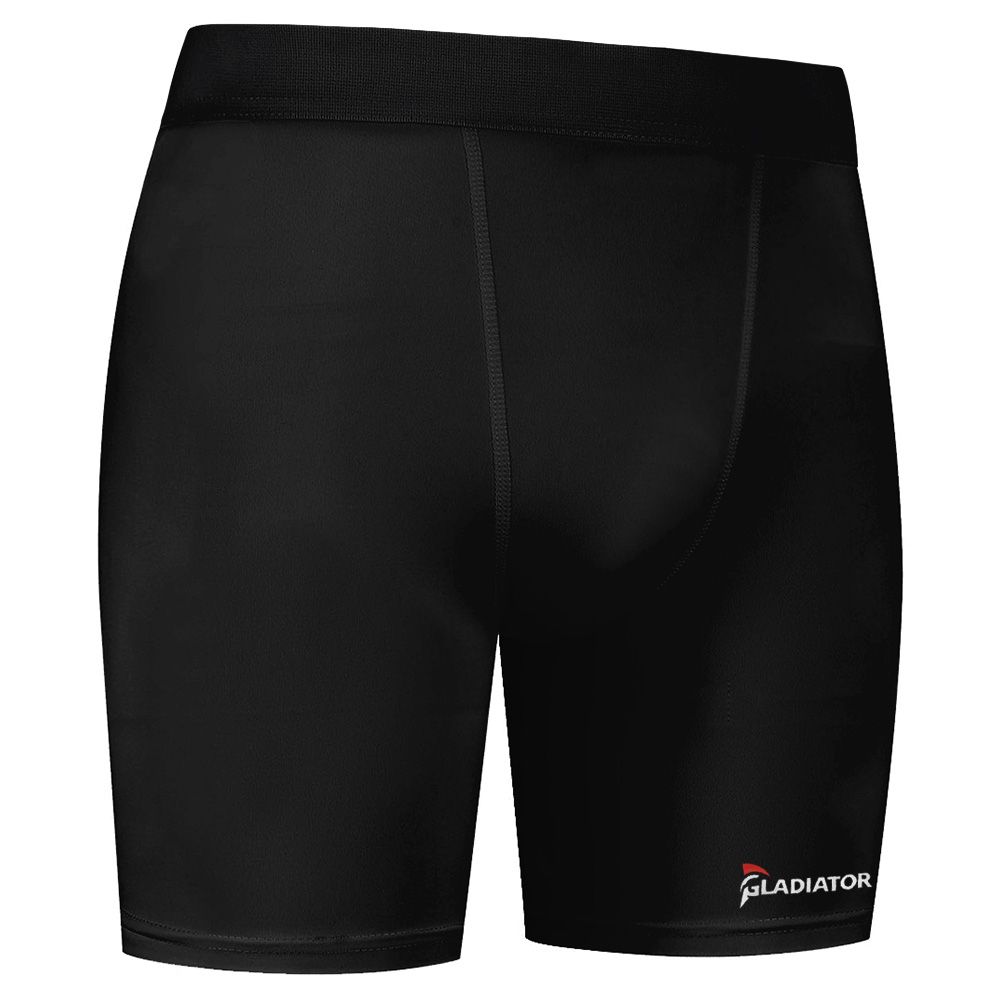
Gladiator Sports Men's Compression Shorts
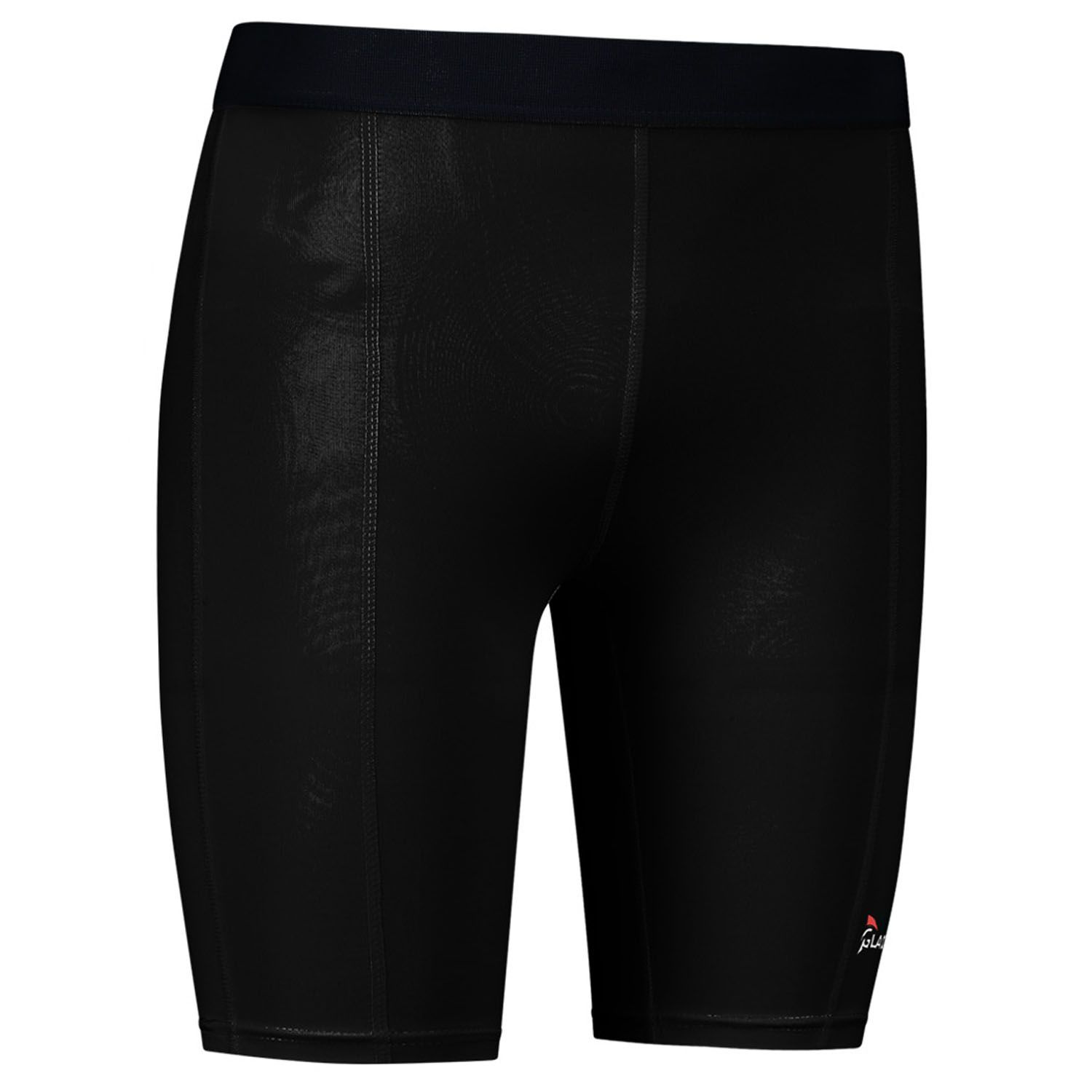
Gladiator Sports Womens Compression Shorts

- Physiotherapist
- Sports podiatrist
- Manual therapist
- Podopostural therapist
- Myofascial dry needling specialist